Don Tinsley
Don was born in 1952, in Birmingham and raised in and around Montevallo. He came from a musical family—before his birth, his grandfather, great aunt, and great uncle performed in a jazz orchestra called The Bama Skippers, active throughout Alabama in the 1930s and ’40s. Don began playing music professionally at the age of 13, starting on bass guitar under the guidance of his aunt, a country bassist who loaned him her instrument and amplifier so he could play sock hops, dances, etc.
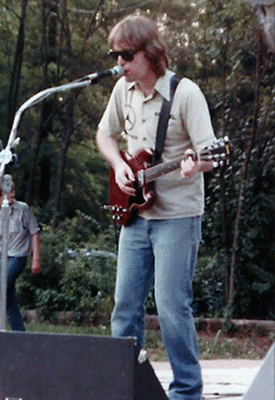
Don attended school in Montevallo. While attending college in 1971, he joined a newly formed original band that became known as Dogwood. Though Don and fellow member John David (J.D.) Harris both wrote songs early on, Harris left after about two years, making Don the band’s principal songwriter. Around that time, Don picked up his first electric guitar, an early 1960s Gibson SG, transitioning from bass to guitar. Dogwood toured extensively throughout the Southeast. Much of the band’s creative life centered around the “Dogwood house,” a ramshackle rehearsal space near Montevallo that became legendary among local musicians.
A multi-instrumentalist best known for guitar and bass, Don ultimately thought of himself first and foremost as a songwriter. Over a career spanning more than five decades, he wrote hundreds of songs and played in more than 50 bands.
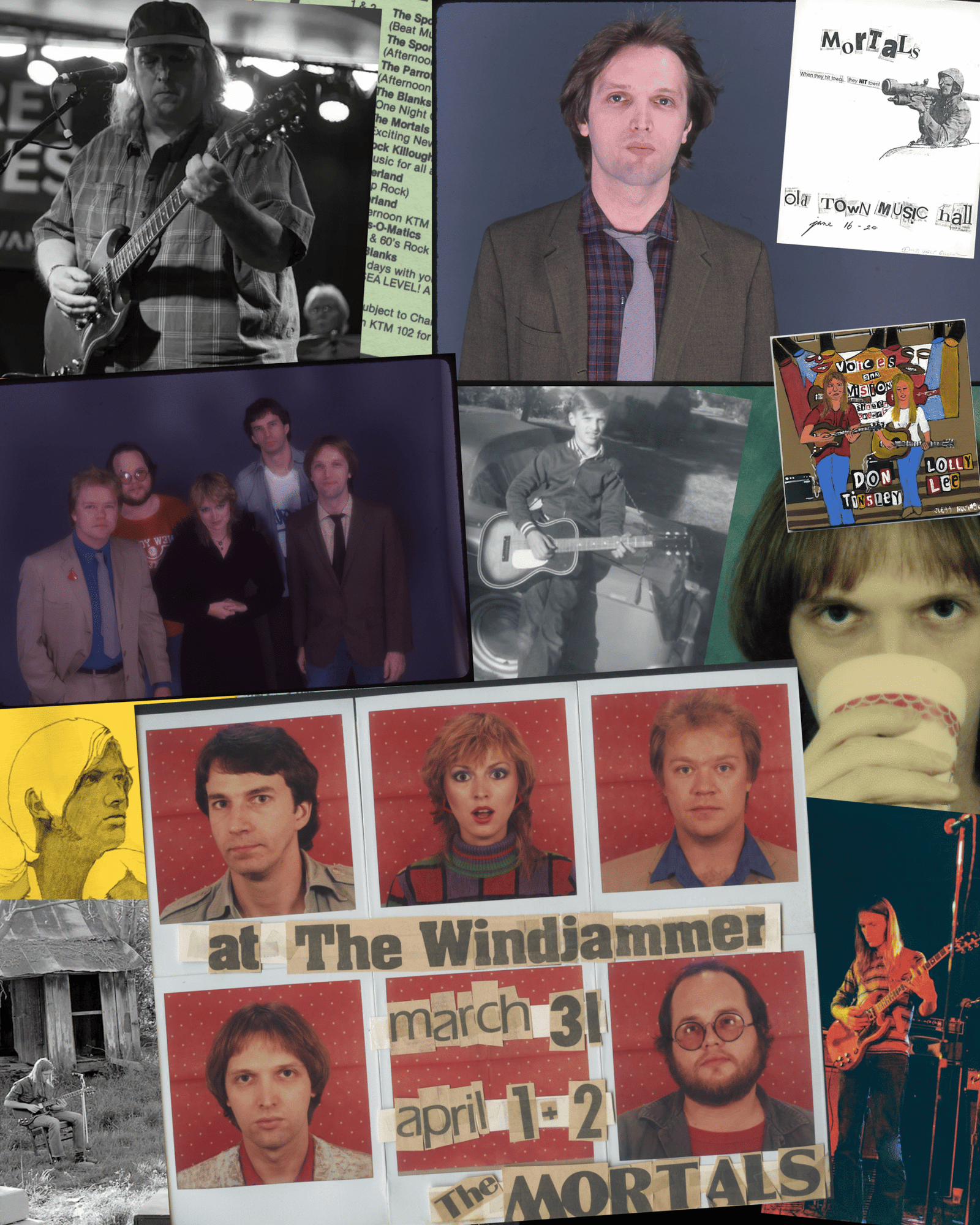
In the early 1980s, Don formed and led The Mortals, a band widely regarded as one of the finest to ever come out of Birmingham. The original lineup included Lolly Lee, Rick Kurtz and Bird Crain (both formerly of High Roller), and drummers Marcel “Mickey” Nichols, Mike Matos, and Bryan Owings. While Don and Lolly Lee shared lead vocal duties, the majority of the band’s material was written by Don.
The Mortals developed a devoted local following and played prominent venues such as Old Town Music Hall and The Wooden Nickel, while also touring throughout the Southeast. They shared stages with artists including R.E.M., Warren Zevon, and Mitch Ryder, and recorded regularly with the assistance of Mike Matos. Their sound was unlike any other local band at the time, often described as commanding and immersive.
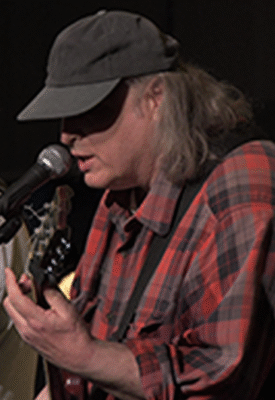
Throughout his life, Don remained endlessly creative and deeply collaborative. He preferred the energy of a full band but also performed solo and in duos, always writing, revising, and exploring new ideas. Hardly a day passed without him working on a song, often pacing his backyard, dodging cats, guitar in hand. As a lifelong reader with an insatiable curiosity, Don’s interests ranged from botany to linguistics, with science fiction as his favorite genre. He was known to bring a book to gigs and slip away between sets to read.
Don was as respected for his character as for his music. Known for his humility, generosity, and kindness, he served as a mentor to many younger musicians and writers. Don’s legacy lives on not only through his songs, but through the community of people he inspired and supported throughout his life.